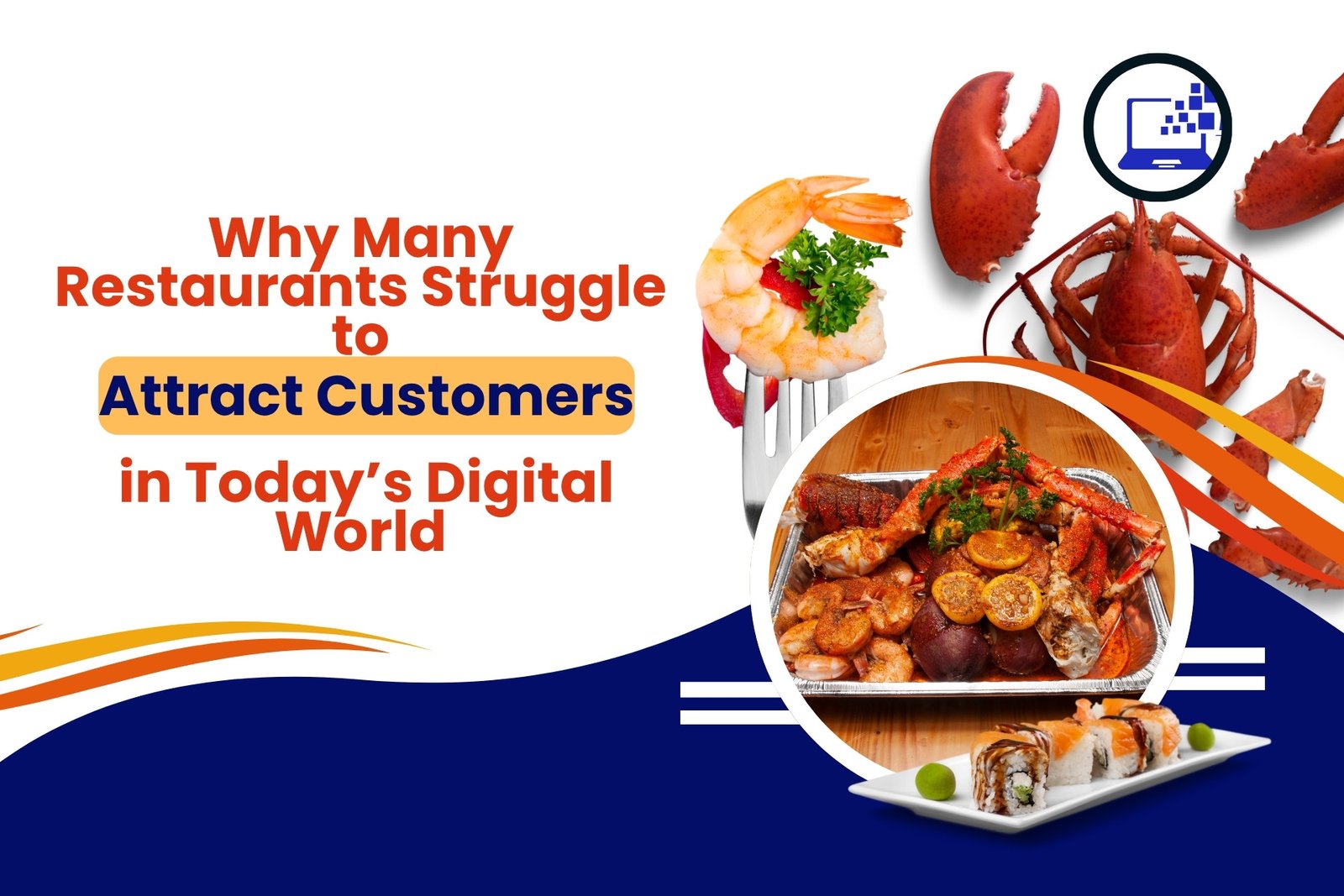
Why Many Restaurants Struggle to Attract Customers in Today’s Digital World
It's a tough world out there for restaurants right now. You might have the best food, a killer atmosphere, and service that's usually top-notch, but still, customers just aren't walking through the door like they used to. Why restaurants with good food still lose customers is a question many owners are asking. It’s not always about the taste on the plate anymore. In today's world, how people find you, what they see online, and how easy it is to interact with your business all play a huge role. Let's break down some of the main reasons why even great food might not be enough to keep your tables full.Key Takeaways
· A strong online presence is no longer optional; customers find restaurants through local search, social media, and online reviews.
· Consumer behavior has shifted; diners rely heavily on online research, social media visuals, and increasingly value health and sustainability.
· Standing out is hard with so many choices, so restaurants need to highlight what makes them unique and use visuals effectively.
· Technology like online ordering, QR code menus, and data analytics are vital for convenience and personalized marketing.
· Inconsistent food quality and service, along with pricing that doesn't match perceived value, can drive customers away, regardless of how good the food is.
The Digital Shift: Why Online Presence is Non-Negotiable
It’s pretty wild how much things have changed for restaurants, right? Gone are the days when a good location and a decent menu were enough. Nowadays, if people can’t find you online, you might as well be invisible. Your restaurant’s digital footprint is basically its new storefront. Think about it: when you’re hungry and looking for a place to eat, what’s the first thing you do? Chances are, you pull out your phone and start searching. This shift means restaurants have to get online, and not just have a basic listing. They need to be discoverable and engaging.
Increased Visibility Through Local Search Optimization
When someone searches for “pizza near me” or “best brunch downtown,” you want your restaurant to pop up. That’s where local search optimization comes in. It’s all about making sure search engines like Google know where you are and what you offer. This isn't just about having a website; it's about making that website and your online listings work hard for you. Getting this right means more people walking through your door, especially those who live or work nearby and are looking for a convenient meal.
Here’s a quick look at what helps:
· Google Business Profile: Keep this updated with your hours, address, phone number, and photos. It’s often the first thing people see.
· Website Keywords: Use terms people actually search for, like your cuisine type and location (e.g., “Thai food in Capitol Hill”).
· Online Directories: Make sure your restaurant is listed accurately on sites like Yelp, TripAdvisor, and others relevant to your area.
Customer Engagement Via Social Media and Email
Social media isn't just for posting pretty food pictures anymore. It’s a direct line to your customers. You can share daily specials, run fun contests, or even give people a peek behind the scenes. Building a community online keeps your restaurant top-of-mind. Email marketing is also super effective for sending out newsletters, special offers, or birthday discounts. It’s about building relationships, not just selling food.
Think about these engagement tactics:
· Interactive Posts: Ask questions, run polls, and respond to comments to get people talking.
· Visual Storytelling: Use high-quality photos and short videos of your dishes and atmosphere.
· Exclusive Content: Offer special deals or early access to new menu items for your email subscribers or social media followers.
Direct Sales Channels for Orders and Reservations
Having your own online ordering system or reservation platform is a game-changer. While third-party apps can get you seen, they often take a big cut. When customers order or book directly through your website or app, you keep more of the profit and have more control over the customer experience. It’s about making it as easy as possible for people to choose you, whether they’re planning a dinner out or just want takeout tonight.
Key benefits of direct channels:
· Higher Profit Margins: Avoid hefty commission fees from third-party platforms.
· Customer Data: Collect valuable information to understand your customers better.
· Brand Control: Maintain your brand’s look and feel throughout the ordering process.
Reputation Management Through Online Reviews
People trust online reviews almost as much as personal recommendations. A few bad reviews can really hurt, but a lot of good ones can bring in a flood of new customers. It’s important to keep an eye on what people are saying about you online and respond thoughtfully. Thanking people for positive feedback and addressing concerns in negative reviews shows you care and are committed to improving.
Here’s how to manage your online rep:
· Monitor Mentions: Regularly check review sites and social media for feedback.
· Respond Promptly: Acknowledge reviews, both good and bad, within a reasonable timeframe.
· Encourage Reviews: Gently ask satisfied customers to share their experience online.
The digital world has completely reshaped how people discover and choose restaurants. Ignoring this shift means missing out on a huge chunk of potential business. Restaurants that actively build and maintain a strong online presence are simply better positioned to attract and keep customers in today's competitive food scene.
Evolving Consumer Behavior in the Digital Marketplace
It’s no secret that people today do their homework before picking a place to eat. Gone are the days when a catchy sign or a good location was enough. Now, folks are glued to their phones, scrolling through reviews, checking out menus online, and even looking at what people are posting on social media. This digital-first approach means restaurants need to be easily found and look good online.
Informed Diners Rely on Online Research
Before a diner even thinks about leaving their house, they've probably already made a decision about where to go. They're looking at Google Maps, reading what others have said on review sites, and comparing menus. If your restaurant isn't showing up in these searches, or if the information is outdated, you're likely losing out on potential customers. It’s like having a great product but no storefront – people just won't know you exist.
Social Media and Visuals Drive Dining Decisions
Let's be honest, we eat with our eyes first. A drool-worthy photo of a dish on Instagram or a visually appealing video can be a huge draw. People are sharing their dining experiences online, and these visuals often influence their friends and followers. A restaurant that invests in good photography and engaging social media content is speaking directly to this trend. It’s not just about the food; it’s about the whole aesthetic and the story you tell online.
Shifting Priorities: Health and Sustainability Matter
What people want from their food is changing too. Beyond just taste, diners are increasingly interested in where their food comes from, how it's prepared, and whether it aligns with their values. This means restaurants need to be transparent about their ingredients, sourcing, and any efforts they make towards being healthier or more sustainable. Highlighting these aspects can be a real differentiator.
Customers are more aware than ever about what they're putting into their bodies and the impact their choices have on the planet. Restaurants that can clearly communicate their commitment to quality ingredients and responsible practices will find a receptive audience.
Here's a quick look at what influences diners:
· Online Reviews: Often the first point of research.
· Social Media Buzz: What friends and influencers are sharing.
· Menu Availability Online: Easy access to what you serve.
· Health & Dietary Options: Catering to specific needs.
· Sustainability Practices: Growing importance for many consumers.
Standing Out in a Crowded Restaurant Landscape
It feels like every corner has a new place to grab a bite these days, doesn't it? With so many restaurants vying for attention, simply opening your doors isn't enough anymore. People have endless choices, and they're often overwhelmed. They’re not just picking a place to eat; they're choosing an experience, and they do their homework online before they even leave the house. This means you really need to show them what makes your place special.
The Challenge of Overwhelming Consumer Choices
Think about it: when you're hungry, you probably pull out your phone. You're bombarded with options, from familiar chains to that trendy new spot everyone's talking about. It's tough for any single restaurant to cut through that noise. Most diners today rely heavily on online research, scrolling through reviews, photos, and menus before making a decision. If your restaurant doesn't pop up or doesn't look appealing online, you're likely to get skipped.
Highlighting Unique Selling Propositions
So, what's your restaurant's story? What makes it different? Maybe it's a family recipe passed down for generations, a commitment to locally sourced ingredients, or a really unique atmosphere. You need to clearly communicate this unique selling proposition (USP) everywhere people look for restaurants. This isn't just about having good food; it's about having a distinct identity that connects with customers. Think about what makes you memorable.
Here are a few ways to pinpoint and promote your USP:
· Identify your core strength: Is it your amazing pasta, your cozy vibe, or your speedy service?
· Know your target audience: Who are you trying to attract? Tailor your message to them.
· Tell your story: Share the passion behind your food and your restaurant.
Leveraging Visuals to Capture Attention
In the digital world, a picture really is worth a thousand words, especially when it comes to food. Mouth-watering photos and engaging videos can stop someone mid-scroll and make them crave what you're serving. High-quality visuals are no longer a nice-to-have; they're a must-have for grabbing attention. Make sure your online presence reflects the actual quality and appeal of your dining experience. A great photo can be the deciding factor when a customer is choosing between two similar options.
People are visual creatures, and in the fast-paced digital landscape, a strong visual identity can make or break a restaurant's appeal. It's about creating an immediate connection and sparking desire before a customer even considers visiting.
Essential Technology Integration for Modern Restaurants
It's pretty wild how much technology has changed things for restaurants, right? Like, what used to be a simple order pad and a cash register is now this whole digital ecosystem. If you're not keeping up, you're basically handing customers over to places that are. Getting the right tech in place isn't just about looking modern; it's about making your whole operation run smoother and giving people what they expect these days.
Seamless Online Ordering and Delivery Systems
This is probably the biggest one. People don't always want to call in or come in to order. They want to click a few buttons on their phone and have food show up. Having your own online ordering system, or at least being on popular delivery apps, is pretty much a must. It means you can reach more people and make it super easy for them to buy from you. Plus, when you have your own system, you cut out those third-party fees, which can really add up.
· Benefits of Direct Online Ordering:
· Keeps all the revenue in-house.
· Allows for direct customer data collection for marketing.
· Offers more control over the ordering process and customer experience.
· Reduces reliance on third-party platforms and their commissions.
QR Code Menus for Enhanced Convenience
Remember when menus were these big, laminated things that got passed around? QR codes have changed that. Now, people can just scan a code with their phone and see the menu right there. It's cleaner, it's faster, and you can update it instantly if something is out of stock or you change a price. It also cuts down on printing costs and waste.
Using QR codes is a simple way to modernize the dining experience. It gives customers immediate access to your offerings and allows for quick updates, which is a big win for both efficiency and customer satisfaction.
Data Analytics for Personalized Marketing Efforts
This is where things get really interesting. When people order online or use a loyalty program, you're gathering data. What do they order most? When do they order? What promotions do they respond to? Using this information, you can actually send people deals and recommendations that are specific to them. It makes customers feel like you know them, and that's a powerful way to build loyalty. Instead of sending out a generic email blast, you can send a targeted offer for their favorite dish.
· How Data Helps:
· Identify popular menu items and slow movers.
· Understand peak ordering times and days.
· Track customer spending habits.
· Create targeted promotions and loyalty rewards.
· Predict future demand to manage inventory better.
The Pitfalls of Inconsistent Quality and Service
It’s a tale as old as time for restaurants: you have a fantastic meal one week, and the next time you go, it’s just… not the same. This inconsistency is a real killer for customer loyalty. When diners can't rely on getting the same great experience every single visit, they start looking elsewhere. It’s not just about the food, either. Service plays a massive role. Imagine waiting ages for a drink, or having your server disappear for most of the meal. That’s not a good time, and it definitely doesn't make you want to rush back.
Impact of Variable Food Preparation on Trust
Food is the main event, right? So when the kitchen can't nail the same dish twice, it really messes with people's trust. One day your favorite pasta is perfect, the next it's too salty or the portion is tiny. This kind of variation makes customers question if the kitchen even knows what it's doing. It’s like ordering a book and getting a different story each time – you just don't know what you're going to get.
Service Standards Affecting the Dining Experience
Bad service can ruin even the best meal. Think about it: slow drink refills, forgotten orders, or staff who seem more interested in chatting than helping. These things add up. A friendly, attentive server can make a meal feel special, but a distracted or unhelpful one can make you feel ignored and frustrated. It’s about making people feel welcome and looked after, not like an inconvenience.
Negative Reviews Deterring Future Guests
In today's world, one bad experience can quickly become public knowledge. A few unhappy customers posting online can really scare off potential new diners. People often check reviews before trying a new place, and if they see a pattern of complaints about food quality or service, they'll probably just skip it. It’s tough to recover from a bad online reputation once it starts to build.
Here’s a quick look at how common issues can affect a restaurant:
Issue Area | Common Problems |
Food Quality | Inconsistent taste, temperature, portion sizes, presentation |
Service | Slow response times, inattentive staff, incorrect orders, lack of friendliness |
Atmosphere | Cleanliness issues, uncomfortable seating, poor lighting |
The biggest mistake a restaurant can make is assuming customers will tolerate a dip in standards. People are busy and have plenty of choices. If you can't consistently provide what they expect, they'll find somewhere that can.
Navigating Menu Pricing and Perceived Value
Figuring out what to charge for your food is a tricky business. You want to make money, obviously, but you also don't want customers to feel like they're getting ripped off. It’s a constant balancing act, and getting it wrong can really hurt your restaurant.
Balancing Costs with Customer Expectations
It’s not just about covering your ingredient costs and rent. You’ve got to think about what people are willing to pay. If your prices are too high, even if your food is amazing, folks might just go somewhere else. On the flip side, if you price too low, you might not be able to keep the lights on, or worse, people might think your food isn't that great because it's so cheap. It’s about finding that sweet spot where your costs are covered, you’re making a profit, and customers feel like they’re getting a fair deal for what they’re eating.
Competitive Pricing Strategies
Looking at what other restaurants in your area are charging for similar dishes is a smart move. You don't want to be the most expensive place in town unless you've got a really good reason for it, like a super unique ingredient or an incredible dining experience. But you also don't want to be the cheapest if it means you're losing money on every plate. Think about your target customer – what are they used to paying? What kind of value do they expect?
Here’s a quick look at how different pricing approaches can play out:
Pricing Strategy | Pros | Cons |
Cost-Plus Pricing | Ensures costs are covered | May not align with market value |
Value-Based Pricing | Captures customer willingness to pay | Requires deep customer understanding |
Competitive Pricing | Aligns with market, avoids price wars | Can lead to price matching, lower margins |
Dynamic Pricing | Adjusts for demand, seasonality | Can confuse customers, seem unfair |
Adjusting Prices Based on Market Trends
Prices for ingredients go up and down, right? So, your menu prices probably shouldn't be set in stone forever. If the cost of, say, good quality salmon suddenly jumps, you might need to adjust the price of your salmon dish. Or maybe there’s a great deal on local produce in the summer – that could be a chance to offer a special at a slightly lower price point. Being flexible and watching what’s happening with costs and what customers are responding to is key to staying profitable and keeping your menu appealing.
Customers often judge a restaurant's quality based on its prices. A menu that seems too cheap might signal lower quality ingredients or preparation, while a menu that's excessively expensive without clear justification can alienate potential diners. The goal is to align your pricing with the overall dining experience you provide, creating a sense of good value.
The Critical Role of Online Reputation Management
In today's world, what people say about your restaurant online really matters. It's not just about having a website or a social media page; it's about what people are saying on review sites, social media comments, and even local directories. Your online reputation is essentially your digital storefront, and it's often the first impression potential customers have. Ignoring what's being said can seriously hurt your business.
Responding to Customer Feedback Effectively
When someone takes the time to leave a review, whether it's good or bad, it’s important to acknowledge it. For positive reviews, a simple thank you goes a long way and shows you appreciate their business. For negative feedback, it’s a chance to show you care and want to make things right. Don't get defensive; instead, try to understand their point of view. A polite, professional response can turn a bad experience into a reason for them to give you another try.
· Acknowledge all feedback: Respond to every review, positive or negative.
· Be prompt: Aim to respond within 24-48 hours.
· Stay professional: Keep your tone calm and helpful, even if the review is harsh.
· Take it offline: For specific issues, invite the reviewer to contact you directly to resolve the matter.
Encouraging Positive Online Reviews
While you can't force people to leave reviews, you can certainly make it easier and more appealing for happy customers to share their experiences. Think about subtle ways to prompt them. Maybe a small note on the receipt, or a friendly mention from your staff as they clear the table. The goal is to make it a natural part of the customer experience, not a pushy sales tactic.
Positive reviews act as powerful social proof. They build trust and can significantly influence a potential diner's decision to choose your establishment over a competitor.
Addressing Dissatisfaction Before It Escalates
Sometimes, a customer might have a less-than-ideal experience but doesn't leave a public review. This is where being attentive to in-person feedback and social media mentions becomes important. If you notice a pattern of complaints about a specific dish or service issue, address it internally right away. Fixing problems before they become widespread public complaints is key to maintaining a good online image. It shows you're proactive and committed to providing a great dining experience for everyone.
Moving Forward in the Digital Dining Landscape
So, it's pretty clear that just having good food isn't enough anymore. Restaurants today are up against a lot, and if they're not paying attention to what's happening online, they're going to get left behind. People are searching, scrolling, and deciding where to eat long before they even leave their house. This means getting your restaurant seen and liked online, whether that's through a decent website, active social media, or just making sure people can find you on Google, is super important. It's not about fancy tech for tech's sake, but about making it easy for customers to find you, like what they see, and ultimately, come through your doors. The ones that figure this out are the ones that will keep their doors open and their tables full.
Frequently Asked Questions
Why is having an online presence so important for restaurants today?
Think about it: when you want to find a place to eat, what's the first thing you do? You probably grab your phone and search online! Most people do the same. If your restaurant isn't easily found on Google or social media, you're missing out on a lot of potential customers who are actively looking for a place to dine.
How do social media and online reviews affect a restaurant's success?
Social media is like a digital billboard for your food and atmosphere. Mouth-watering pictures and fun posts can get people excited to visit. Online reviews are like word-of-mouth recommendations. When people see lots of good reviews, they trust that the restaurant is a good choice. Bad reviews, on the other hand, can make people think twice.
What are some simple ways restaurants can attract more customers online?
It's not just about having a website. Restaurants can post great photos of their food on Instagram, share daily specials on Facebook stories, and maybe even run a small contest. Making it easy for people to order food online or book a table through their website or social media pages is also super helpful.
How have customer expectations changed when it comes to dining out?
People today are more informed. They don't just rely on walking into a place; they check menus online, read reviews, and even look at photos before they decide. Plus, many people now care more about healthy options and where their food comes from, so restaurants need to be aware of these trends.
What happens if a restaurant's food quality or service isn't consistent?
Imagine getting a delicious meal one day, but then the next time it's not as good. That's frustrating! If a restaurant's food or service is up and down, customers lose trust. They might not come back, and they might even leave a bad review, which can scare away other potential diners.
Why is it important to manage online reviews, even the negative ones?
Ignoring reviews is like ignoring your customers. If someone leaves a bad review, it's important to respond politely and try to fix the problem. This shows other people that you care about customer satisfaction. Encouraging happy customers to leave good reviews can also help balance things out and build a better online reputation.